
Project Cheetah Turns 4: India’s Big Cat Population Reaches 52
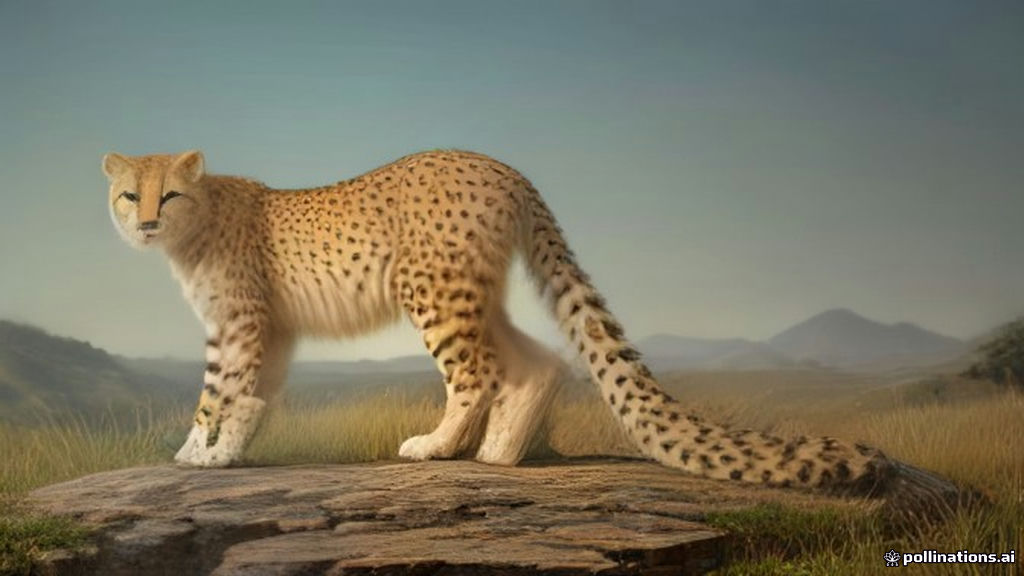
Four years ago, a historic conservation experiment began when eight wild cheetahs from Namibia touched down in India, stepping off a transport plane and into specially prepared enclosures at Kuno National Park. It was September 17, 2022—a date that marked the official return of the world’s fastest land mammal to a country where it had been declared extinct seven decades prior.
Fast forward to today, and that initial, high-stakes gamble has evolved into a functioning, expanding ecological population. As the initiative marks its four-year anniversary, India’s national cheetah count has officially climbed to 52 animals. Crucially, this milestone isn’t just a reflection of surviving imports; it represents the successful birth and survival of 32 cubs born right on Indian soil, proving that the big cats can adapt to and thrive in their ancestral homeland.
📌 Key Takeaways
- India’s total cheetah population has grown to 52 individuals, including 32 cubs born locally over the past four years.
- Out of the total population, 49 cheetahs reside in Madhya Pradesh’s Kuno National Park, while three are housed in the Gandhi Sagar Sanctuary.
- International conservation partnerships spanning Namibia, South Africa, and Botswana have continually strengthened the program’s genetic baseline.
- The current strategy focuses on transitioning cheetahs into open forest landscapes and establishing a permanent, self-sustaining meta-population.
Tracking the Numbers and Origins of India’s Cheetahs
That total population of 52 cheetahs is distributed across specific source lineages and regional habitats. According to official figures released by project authorities, the baseline consists of surviving animals imported from three African nations alongside their locally born offspring. Out of the eight wild cheetahs originally brought from Namibia in 2022, three remain alive. Combined with their 22 locally born descendants, the surviving Namibian-origin group totals 25 individuals.
A subsequent shipment on February 18, 2023, brought 12 cheetahs from South Africa. Eight of those original imports remain alive today, and alongside 10 locally born cubs, the South African-origin group reaches 18 surviving members. To further broaden the genetic pool, an additional nine cheetahs were imported from Botswana in February 2026, anchoring the program’s multi-national approach. Of the total 49 animals currently residing in Kuno National Park, 17 specimens roam freely across open forest tracts—comprising 10 males and seven females—while the remaining 32 are housed in soft-release enclosures, including 19 dependent cubs under one year of age. Meanwhile, three cheetahs are stationed securely within the Gandhi Sagar Sanctuary.
Telemetry, Habitat Engineering, and Day-to-Day Management
Managing an apex predator population across unfamiliar terrain requires continuous monitoring systems and adaptive field protocols. Wildlife biologists and forest department personnel track the free-ranging cheetahs around the clock across an expansive interstate landscape spanning 12 districts. This rigorous tracking mechanism utilizes radio telemetry, satellite collars, and boots-on-the-ground surveillance to record behavioral adaptation, dietary patterns, and health status.
The ecological engineering framework relies heavily on prey base management. Prior to the initial releases, conservationists introduced chital (spotted deer) and nilgai into Kuno National Park to ensure adequate trophic capacity. Veterinary enclosures are equipped with automated climate control and isolation wards to handle unexpected infections or injuries. Telemetry data feeds directly into a central command center, enabling rangers to intervene if a predator approaches agricultural boundaries or encounters hostile local fauna.
The project’s progression has been structured across distinct operational phases. During the first year, management teams addressed high-mortality risks by studying how African cheetahs coped with Indian monsoon patterns, local prey dynamics, and novel parasitic challenges. By the second year, the focus pivoted toward infant survival metrics, allowing 13 cubs to survive past the critical one-year mark. The third year marked a critical operational transition when select cheetahs were unchained from soft-release enclosures and introduced into open forest zones. The fourth year consolidated these gains by establishing reliable breeding females and ensuring multi-generational survival.
Biodiversity and Coexistence in Madhya Pradesh
The steady rise of India’s cheetah population carries profound implications for grassland ecosystem restoration and ecotourism economies in Madhya Pradesh. Because the cheetah acts as a flagship species for open forest and scrubland habitats—ecosystems that historically received less conservation prioritization compared to dense tiger reserves—its reintroduction forces a holistic revival of neglected ecological corridors.
Comparing Project Cheetah with other international reintroduction benchmarks, such as South Africa’s Phinda Private Game Reserve or Yellowstone’s wolf restoration, highlights the unique challenge of restoring a carnivore to a densely populated developing nation. Unlike remote wilderness tracts in North America, Indian conservation requires active coexistence frameworks. Local governance structures have formally recognized these shifting ecological realities, with state leadership officially designating Madhya Pradesh as India’s premier ‘Cheetah State’. For local communities residing near Kuno National Park and Gandhi Sagar Sanctuary, the presence of the project has generated new avenues for sustainable employment, guiding infrastructure improvements, and boosting regional visibility. The careful balancing act between agricultural livelihoods and wildlife roaming corridors remains a continuous policy priority, requiring proactive compensation frameworks and round-the-clock telemetry alerts.
Looking Ahead: Expanding the Cheetah Meta-Population
The journey of restoring the Asiatic cheetah’s African cousin to Indian soil is grounded in decades of preparatory research. Following the official declaration of the cheetah’s extinction in India in 1952, sporadic proposals surfaced over the decades. A serious feasibility study gained momentum around 2009-2010, spearheaded by the Wildlife Institute of India, before legal and administrative hurdles temporarily stalled the initiative. The momentum revived decisively in 2020 when the Supreme Court of India lifted barriers, clearing the path for the landmark intercontinental translocation.
As Project Cheetah passes its four-year threshold, the operational horizon shifts toward scaling up spatial distribution. The primary objective of the upcoming phase involves establishing a comprehensive, long-term cheetah meta-population across India. This requires moving beyond a single-site reliance on Kuno National Park and systematically developing additional secure habitats.
Projected future milestones include the complete transition of Gandhi Sagar Sanctuary into an active breeding hub, followed by potential translocations to Mukundara Hills Tiger Reserve in Rajasthan and Nauradehi Wildlife Sanctuary in Madhya Pradesh. Overcoming logistical hurdles, maintaining genetic diversity among the herds, and mitigating territorial disputes among expanding male coalitions will dictate the trajectory of India’s large-scale carnivore restoration endeavor in the coming decade.
Frequently Asked Questions
How many cheetahs are currently in India?
India’s total cheetah population stands at 52. This figure comprises surviving imported animals from Namibia, South Africa, and Botswana, alongside 32 cubs born naturally in the country.
Where are the cheetahs housed in India?
The vast majority of the population—49 cheetahs—is located in Kuno National Park within Madhya Pradesh, with 17 roaming open forests and the rest in enclosures. An additional three cheetahs are housed in the Gandhi Sagar Sanctuary.
How many cheetah cubs have been born since the project started?
A total of 32 cubs have been born in India since Project Cheetah was launched in September 2022, demonstrating that the big cats can successfully breed and raise offspring under Indian environmental conditions.
What is a cheetah meta-population and why is it important?
A meta-population consists of several distinct breeding groups connected by occasional animal movement. For India, creating a meta-population across multiple reserves prevents inbreeding depression, reduces the risk of disease wipeouts at a single site, and ensures long-term genetic resilience.
Sources and further reading
Read the original reporting on The Hindu.
