
Why General Motors Is Closing Its Brownstown Battery Plant
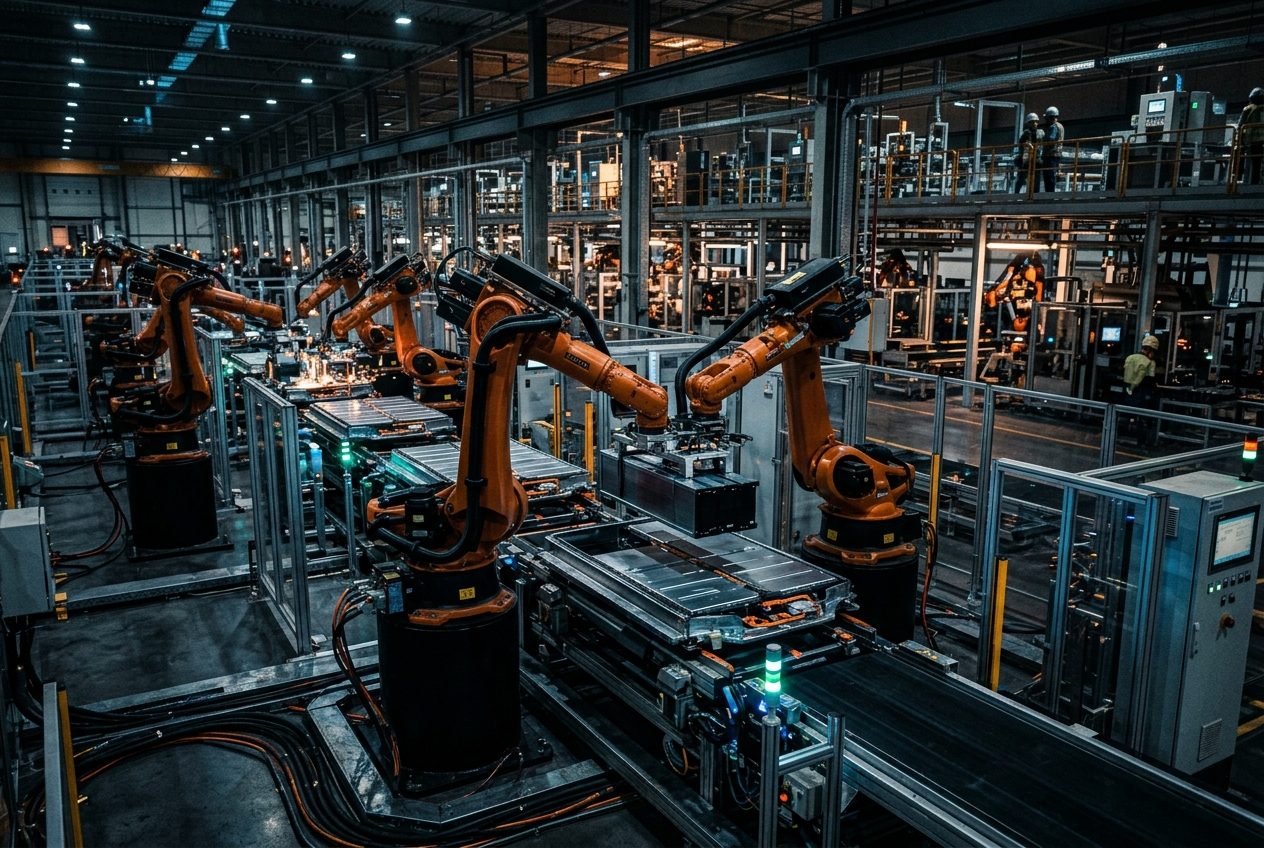
General Motors is shutting down its Brownstown Battery Assembly Plant south of Detroit, but the move has nothing to do with a retreat from electric vehicles. According to a company spokesperson, the upcoming closure is simply driven by the expiration of the facility’s commercial lease rather than any shift in corporate EV strategy.
While major vehicle assembly plants are typically permanent, multi-million-dollar fixtures owned outright by automakers, specialized sub-assembly and component hubs frequently rely on leased real estate. These commercial leases give companies the flexibility to test new manufacturing methods or support niche vehicle lines without tying up capital in long-term infrastructure. However, when those leases run out, automakers must choose between negotiating a renewal or consolidating operations into existing corporate campuses.
📌 Key Takeaways
- General Motors is closing the Brownstown Battery Assembly Plant near Detroit due to a natural lease expiration.
- The facility has been responsible for building low-volume, high-value parts, including battery packs for the Cadillac Celestiq and electric drive units for the Chevrolet Corvette E-Ray.
- GM has stated that both the workforce and ongoing operations will be transitioned to other company facilities, though exact locations have not yet been publicly confirmed.
- Industry analysts emphasize that the shutdown is a routine real estate decision rather than a cutback on the automaker’s broader electric vehicle roadmap.
What Was Built at the Brownstown Facility?
Opened to support specialized powertrain components, the Brownstown plant played a quiet yet crucial role in assembling some of GM’s most technologically ambitious vehicles. Instead of churning out mass-market parts, the site focused on low-volume, high-value hardware.
Specifically, the facility handled battery packs for the ultra-luxury, hand-built Cadillac Celestiq. It also produced both battery packs and electric drive units for the Chevrolet Corvette E-Ray, a plug-in hybrid variant of the iconic sports car. Managing these specialized lines in a dedicated space allowed engineers to refine complex assembly techniques before attempting to scale them into mainstream manufacturing ecosystems.
Real Estate Dynamics in Automotive Manufacturing
Commercial real estate plays a very different role in heavy manufacturing compared to retail or tech offices. Final assembly plants require massive footprints and decades of amortization. Component facilities and prototyping centers, on the other hand, benefit from the agility of leasing.
When a lease approaches its natural end, an automaker runs a financial audit. Executives look at whether the landlord is offering fair renewal terms, if the physical building can support future technological upgrades, and whether folding the work into an existing, company-owned factory makes better long-term financial sense. In the case of Brownstown, GM’s decision to walk away reflects standard corporate real estate logistics rather than any pullback from its long-term technological goals.
Broader Industry Shifts and GM’s EV Roadmap
The closure of the Brownstown site comes during a shifting period for the automotive sector. Legislative and regulatory landscapes have fluctuated following federal changes, such as the repeal of certain EV production and sales incentives under the One Big Beautiful Bill Act passed the previous year.
Despite these headwinds, GM has maintained its commitment to electrification. The company continues to produce battery-electric models like the Chevrolet Silverado EV alongside a limited production run of the Chevrolet Bolt. At the same time, GM is pouring resources into alternative battery chemistries—such as sodium-ion and lithium-manganese-rich technologies—and investing $900 million in facilities designed to speed up commercialization. As traditional automakers balance profitability with changing environmental regulations, updating their manufacturing footprint is simply part of the territory.
What Happens to the Brownstown Workforce?
For the people working at the Brownstown plant, facility transitions always bring a period of adjustment. GM has publicly stated that both the workforce and operations will be transitioned to other facilities. However, the lack of immediate details regarding specific relocation sites has left some questions unanswered.
Retraining and redeploying skilled manufacturing talent is vital for preserving institutional knowledge, especially when dealing with complex tasks like cleanroom battery assembly and electric motor calibration. Given Brownstown’s location south of Detroit, surrounding Michigan manufacturing plants could theoretically absorb the displaced personnel, provided those sites have the available floor space and infrastructure.
Frequently Asked Questions
Why is GM closing the Brownstown Battery Assembly Plant?
GM is closing the facility because its commercial lease is expiring. Company representatives have confirmed that the shutdown is tied to real estate timelines rather than any change in its electric vehicle production plans.
Where are the workers and operations going?
GM has stated that employees and operations will be relocated to other company facilities, though specific receiving plants have not yet been publicly announced.
Which vehicles depend on components from Brownstown?
The plant has built battery packs for the Cadillac Celestiq, as well as battery packs and electric drive units for the plug-in hybrid Chevrolet Corvette E-Ray.
Is this closure a sign that GM is stopping EV production?
No. GM continues to manufacture vehicles like the Chevrolet Silverado EV and Chevrolet Bolt, while heavily investing in next-generation battery research and alternative chemistries.
Sources and further reading
