
Smart Rings Face Real-World Tests: Sizing, GLP-1 Tracking, and Fit
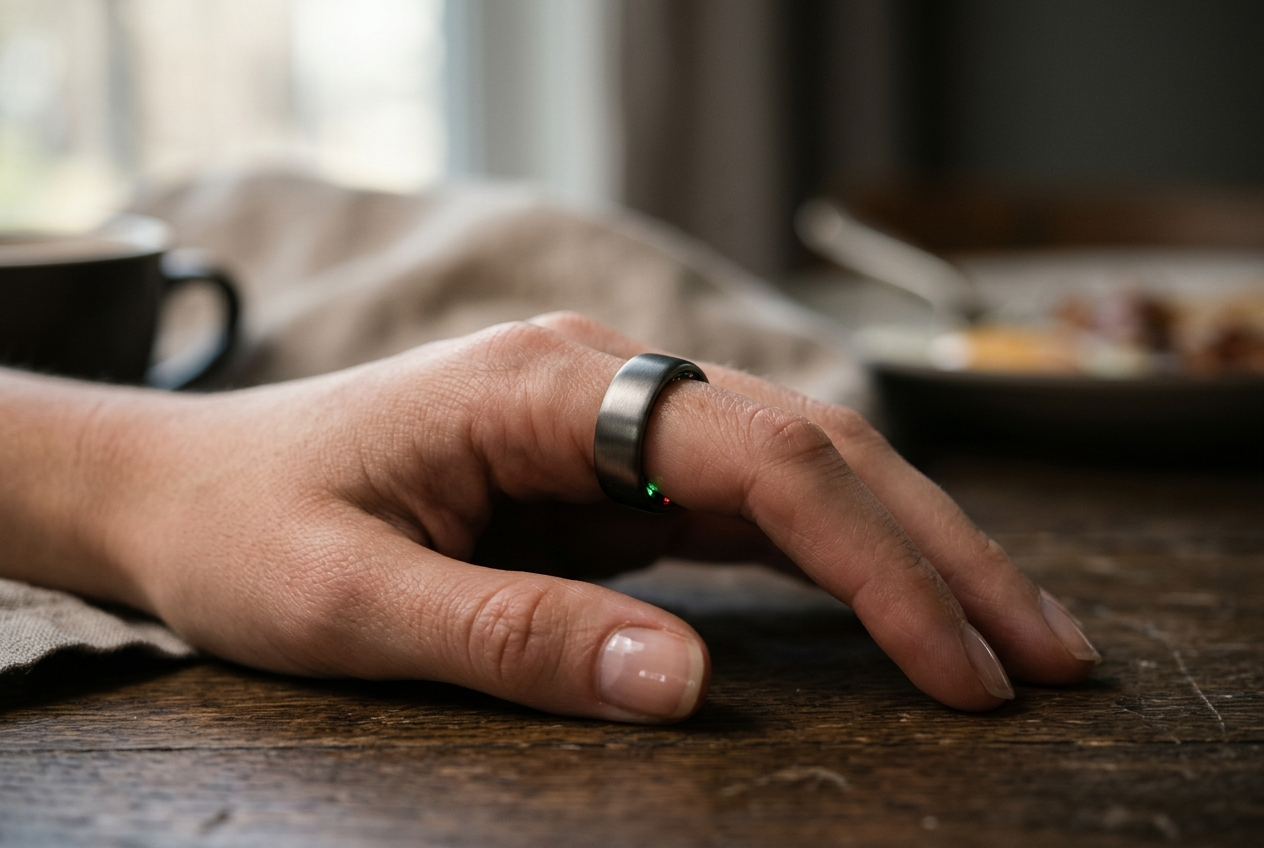
Smart rings have carved out a massive following by offering a quiet, screen-free alternative to traditional smartwatches. Instead of buzzing wrists and flashing notifications, these sleek titanium bands track your sleep, daily activity, and physical recovery without demanding your attention every five minutes. But wearing your health data directly on your finger comes with unique, often overlooked physical hurdles—especially when your body changes, your daily chores get messy, or your software starts logging medical weight loss treatments.
Recent industry rollouts and user experiences highlight a growing tension between high-tech wearables and the messy reality of everyday human life. From rapid product lifecycles and subscription fees to the very real problem of rings spinning loose after weight loss, navigating the world of finger-based health trackers requires a closer look beyond the glossy marketing materials.
📌 Key Takeaways
- Smart rings are rigid bands, making significant body weight fluctuations a major challenge for long-term fit precision.
- New software features like GLP-1 tracking help users log medical weight loss treatments and side effects, though they strictly serve as personal records rather than clinical advice.
- Brand policies on size replacements vary widely, with some competitors offering swap plans that traditional market leaders do not.
- Fitness experts warn against becoming overly dependent on morning recovery scores, which can sometimes psychologically dictate how you feel.
The Reality of Daily Wear and Finger Real Estate
Slick advertising always shows smart rings on pristine hands typing gracefully on keyboards or holding artisanal coffee cups. In reality, daily life is a bit more abrasive. Kneading dough while cooking, washing dishes, or working out with dumbbells exposes polished titanium surfaces to moisture, food particles, and heavy friction.
While companies generally permit showering and handwashing with mild soap, wearing a smart ring right next to traditional gold bands or engagement jewelry can lead to persistent scratching on both pieces. Finding the right finger balance requires actual compromise. If you lift heavy weights or handle rough kitchen cookware, you often have to take the ring off entirely to protect the exterior finish.
How GLP-1 Tracking Software Works in Practice
As software updates roll out to include features like Oura’s GLP-1 Insights, wearables are stepping deeper into medical weight management support. Designed for individuals undergoing targeted weight loss treatments, these tools let users log medication doses, track side effects, and monitor weight changes right alongside sleep and recovery scores.
When you are juggling medications and lifestyle shifts, memory can get hazy. It is easy to forget exactly when fatigue set in or when side effects peaked. Having a consolidated digital log makes conversations with healthcare providers much more structured. However, these tools have strict limits. A readiness score cannot prove a specific medication caused a physical change, and the software is never a substitute for professional clinical judgment or dosage recommendations.
The Sizing Dilemma: What Happens When Your Body Changes?
Unlike smartwatches with adjustable straps, smart rings are rigid bands sized precisely to millimeter measurements. This creates a major logistical issue for anyone experiencing significant physical transformation. If you lose weight rapidly—such as shedding substantial fat over the course of several months—a once-snug ring will inevitably begin slipping, spinning, and failing to pick up reliable sensor readings.
Replacement policies also catch buyers off guard. While some brands offer no published path for size exchanges due to personal weight loss after the initial purchase window, other competitors like Ultrahuman provide more flexible protection through plans like UltrahumanX, which may permit a single smaller replacement sizing under specific program rules.
The Psychological Trap of Daily Health Metrics
Fitness experts and coaches frequently warn against becoming overly dependent on gadget data. Receiving an unfavorable sleep score or a low readiness rating first thing in the morning can mentally psych you out, convincing you that you are exhausted before you even step out of bed.
The trick is using wearable data as a general trendline rather than an absolute rulebook. When gadgets dictate your motivation, listening to your own physical intuition takes a backseat—which defeats the entire purpose of building a sustainable, healthy lifestyle.
Frequently Asked Questions
Can a smart ring automatically adjust if I lose weight?
No. Smart rings are solid, rigid bands. If you lose or gain a significant amount of weight, your finger dimensions change, causing the ring to slip. You will need to check individual brand policies regarding replacement options.
Do GLP-1 tracking features prescribe medications?
Never. These software features are built strictly to help you log your personal medication doses, side effects, and weight changes so you can discuss them more effectively with your doctor.
Can I wear my smart ring while swimming or lifting weights?
Most smart rings are water-resistant enough for swimming and showering. However, manufacturers generally advise removing them during heavy weightlifting or abrasive manual labor to prevent scratching the titanium finish and damaging internal sensors.
Sources and further reading
