
Ebola’s Toll in Congo: Grief, Stigma, and Mental Health
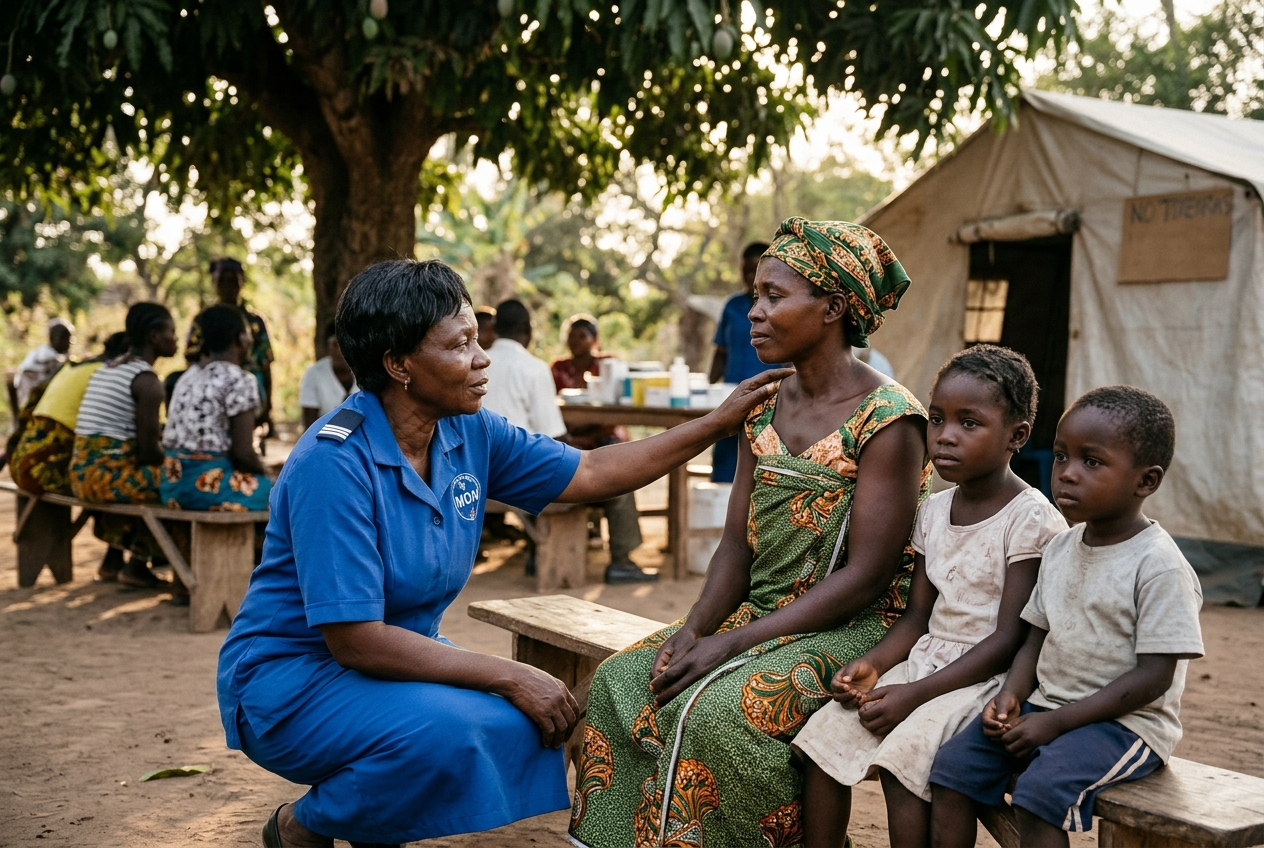
As a severe Ebola outbreak takes hold in eastern the Democratic Republic of Congo (DRC), affected communities are confronting an intense psychological crisis alongside physical illness. Families coping with the loss of loved ones are wrestling with overwhelming fear, social isolation, and harsh community stigma that can linger long after the acute emergency fades.
This unfolding public health emergency marks the 17th Ebola outbreak in Congo’s history. Spreading rapidly across eight provinces, the current wave collides directly with decades of persistent armed conflict between government forces and rebel groups. Humanitarian and medical responders face unprecedented hurdles as they try to contain the virus amid mass population movements, deep-seated mistrust, and severely strained healthcare infrastructure.
Eastern Congo has long been defined by systemic fragility. Years of localized violence have displaced millions, compromised agricultural production, and weakened food security, leaving households uniquely vulnerable to new health shocks. When an epidemic lands on top of chronic displacement and poverty, local communities lose the capacity to absorb additional hardships. Public health systems find themselves overwhelmed by the concurrent demands of war trauma, severe malnutrition, and infectious disease containment.
📌 Key Takeaways
- The outbreak is driven by the rare Bundibugyo virus strain, which currently lacks approved vaccines or specific drug treatments.
- Data shows over 9,500 infections and 4,600 fatalities, with more than 70% of new cases involving individuals not previously tracked as known contacts.
- Grieving families face severe social stigma, abandonment, and restricted traditional funerals due to strict infection control protocols.
- Integrating mental health services into humanitarian responses is proving critical to building trust and encouraging early reporting of symptoms.
Understanding the Scale and the Bundibugyo Pathogen
This outbreak is driven by the rare Bundibugyo virus strain, presenting a distinct medical challenge because there is currently no approved vaccine or specific drug treatment for it. Government data and international health bodies highlight the sheer scale of the crisis:
- The virus has infected at least 9,500 people.
- At least 4,600 fatalities have been officially recorded.
- Over 70% of new cases involve individuals who were not previously tracked as known contacts by health workers.
- At least 60% of deaths occurred outside designated medical treatment centers as of early October.
The World Health Organization (WHO) notes that the spread continues to outpace tracking and containment operations. Early symptoms often mimic other common illnesses in the region, such as malaria or poisoning, leading to delayed recognition and dangerous home care attempts before patients seek professional isolation.
The high proportion of cases occurring outside established medical facilities underscores a profound breakdown in health-seeking behaviors. When individuals fall ill at home, household and community transmission risks skyrocket. Furthermore, because early clinical manifestations resemble endemic ailments, community members frequently try home remedies or seek local traditional care first, delaying professional intervention and reducing survival rates.
The Hidden Psychological Impact and Social Stigma
While medical responders focus heavily on physical treatment and infection control, mental health specialists report that the psychological dimensions of the crisis receive minimal attention. Families who lose members to the virus face unique and painful grief dynamics:
- Restricted Funerals: Strict infection control protocols limit physical contact with patients and bodies after death, preventing families from carrying out traditional burial rites and hindering emotional closure.
- Community Stigma: Due to rumors and misconceptions, some community members view Ebola as a malevolent force. Families of the sick often experience abandonment and severe social rejection from neighbors.
- Long-Term Mental Health Risks: According to the WHO, the psychological fallout from past outbreaks—manifesting as anxiety, mood disorders, prolonged grief, and discrimination—persists long after the acute public health emergency subsides.
Mirella Riccardi, a mental health specialist with Doctors Without Borders (Médecins Sans Frontières), noted that eastern Congo was already heavily impacted by war, crisis, and severe malnutrition before the outbreak further destabilized vulnerable populations.
Analysis of post-epidemic mental health shows that grief complicated by enforced separation from dying relatives leaves deep emotional scars. Traditional funeral rituals across many central African cultures serve vital communal functions, offering structured ways to honor the deceased and transition through mourning. Deprived of these ceremonies, survivors frequently experience disenfranchised grief, where their loss is not openly acknowledged or socially validated, compounding feelings of helplessness and isolation.
A Family’s Ordeal: Inside the Epicenter
The human dimension of the crisis is vividly illustrated by the experience of a 34-year-old schoolteacher in Bunia, the capital of Ituri province, which serves as the epicenter of the outbreak. Speaking anonymously due to fears of stigmatization, the teacher shared that five of her family members were diagnosed with Ebola, two of whom—her brother and his wife—died at a treatment center in July.
Neighbors initially stayed away from their home until professional responders arrived to transport the sick and disinfect the premises. The resulting trauma and stress led the teacher to seek professional help at the Samelo mental health facility in Bunia. Katembo Vyaluva Anicet, the head nurse at the facility, reported that the clinic admitted up to 350 patients amid a surge driven by the outbreak. After two months of treatment, the teacher was discharged but continues to return for follow-up checks, while her three other infected relatives ultimately survived.
This personal account highlights the cascading practical implications of an outbreak at the household level. Beyond the immediate shock of illness and mortality, survivors must navigate economic disruption, childcare challenges for orphaned dependents, and the chilling effect of neighborhood ostracization. The willingness of community mental health clinics to absorb hundreds of acute cases demonstrates that psychological support infrastructure, though frequently underfunded, is a critical pillar of community resilience during epidemics.
Why Integrating Mental Health into Epidemic Response Matters
Public health experts evaluating the emergency in eastern Congo emphasize that containment strategies cannot focus exclusively on epidemiology and clinical management. Pandemics and localized epidemics of severe viral hemorrhagic fevers like Ebola invariably trigger catastrophic psychological ripples that can undermine public cooperation with health authorities. When communities associate treatment centers exclusively with death and quarantine, fear drives individuals to hide symptoms and avoid medical personnel.
Integrating mental health services directly into humanitarian response frameworks helps mitigate this dynamic. By addressing trauma, validating grief, and actively combating community stigma, psychological support teams can improve overall health-seeking behaviors. When individuals feel psychologically supported rather than socially ostracized, they are more likely to report symptoms early, accept safe burial protocols, and comply with isolation measures. Consequently, mental health interventions are not merely secondary welfare programs but vital epidemiological tools for breaking chains of transmission.
Frequently Asked Questions
What virus is causing the current outbreak in Congo?
The outbreak is caused by the rare Bundibugyo virus strain.
Are there approved vaccines or treatments for this specific strain?
There is currently no approved vaccine or specific drug treatment designed for the Bundibugyo virus strain.
Why are grieving families experiencing heightened mental health challenges?
Families face intense social stigma, fear of infection, an inability to perform customary burial rites due to transmission risks, and a lack of early integration of mental health support within the broader medical response.
How does armed conflict complicate the Ebola response?
Decades of conflict between government forces and rebel groups restrict humanitarian access, displace populations repeatedly, erode trust in public institutions, and strain the physical healthcare infrastructure required to track and contain fast-moving pathogens.
Sources and further reading
