
Inside Canada’s First Indigenous-Led Data Centre
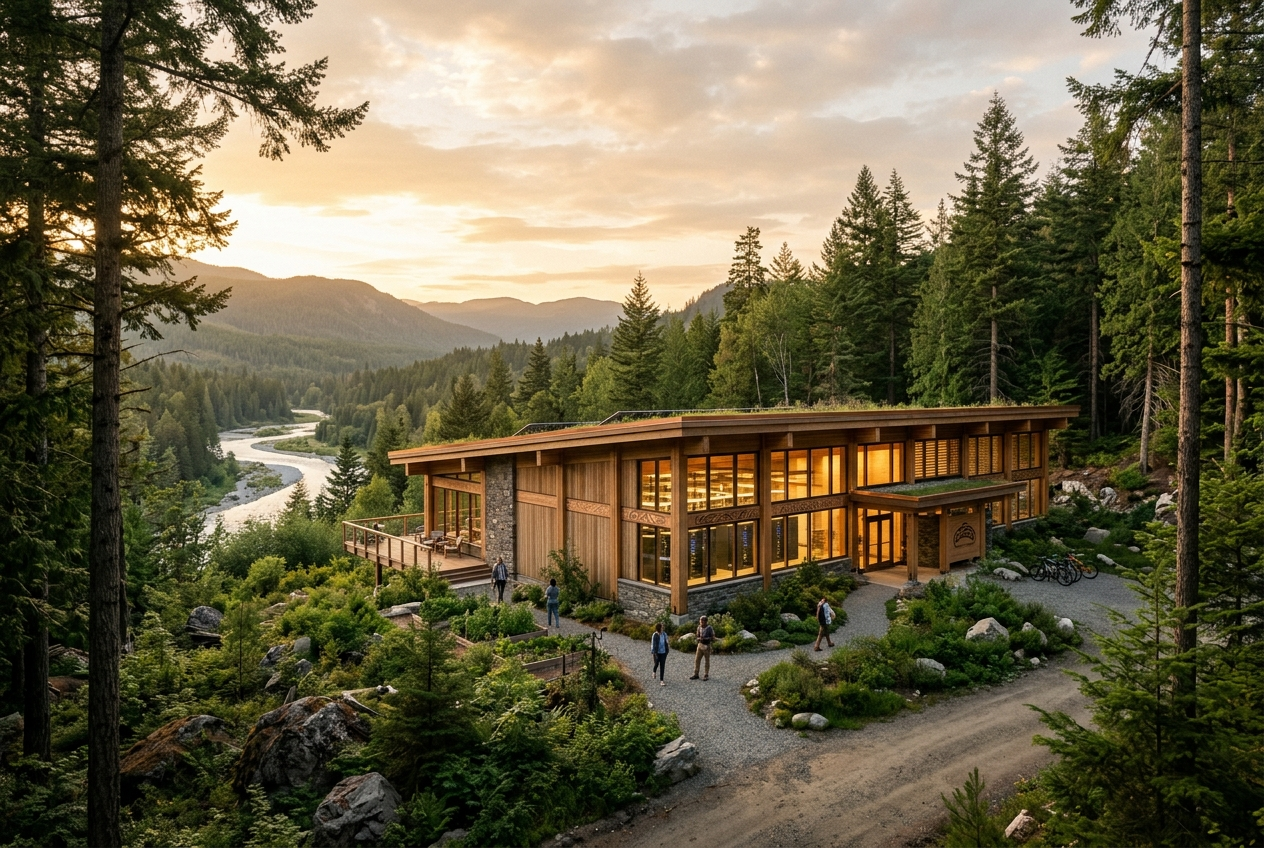
Deep in rural Ontario on Manitoulin Island, the Wiikwemkoong Unceded Territory has taken a major step toward technological self-determination. Canada’s only unceded First Nation—meaning it never signed a treaty surrendering its land—has installed a local data centre to bring its digital life back home. Housed in a secure, garage-sized bunker next to the community administrative office, the facility stores everything from video recordings of fluent Anishinaabe speakers to corporate documents, resident health records, and local security footage.
For about 4,000 residents, this infrastructure upgrade is much more than a collection of computer servers. It represents a powerful assertion of data sovereignty. Instead of relying on remote corporate cloud servers or government databases, the community now maintains absolute control over its most sensitive digital assets, ensuring that local information is governed by local values and laws.
📌 Key Takeaways
- Wiikwemkoong Unceded Territory installed a secure, garage-sized data centre to bring its digital records back to community soil.
- The facility stores vital assets, including Anishinaabe language video archives, health records, and administrative documents.
- The tech upgrade also powers an extensive public safety network featuring 700 surveillance cameras and a fleet of emergency drones.
- The project serves as a growing model for Indigenous data sovereignty and digital independence across North America.
Why Wiikwemkoong Brought Its Data Home
Before building this local facility, the First Nation relied on a Microsoft data centre located roughly 190 miles south in Toronto. While cloud storage offers convenience, it leaves smaller communities vulnerable to external policy shifts, corporate outages, and a loss of physical control over sensitive information. The push for local infrastructure gained urgent momentum following a major flood in 2022 that destroyed physical and digital records scattered across multiple administrative offices.
Environmental vulnerability made it clear that relying solely on distant cloud providers posed a long-term risk. By moving critical systems back to Manitoulin Island, leadership ensured that historical archives and everyday administrative files remain safe from external disruptions.
Safeguarding Language and Cultural Heritage
Preserving the Anishinaabe language is one of the community’s most pressing priorities. Historical assimilation policies and changing demographics have created a major challenge regarding native language loss. Knowledge keepers and fluent speakers eventually pass on, making high-quality digital preservation essential.
Storing video and audio recordings locally ensures that future generations can learn and connect with their heritage on their own terms. Indigenous data sovereignty principles, which have been developed by First Nations in Canada for decades, emphasize that communities must dictate how their culture, history, and statistics are collected, owned, and shared.
Public Safety and Drone Integration
The new digital infrastructure does more than just archive history; it also powers modern public safety operations across the territory. Chief Technical Officer Michael McCormick’s team integrated 700 surveillance cameras across the community alongside a dozen drone docking stations mounted on the administrative office roof.
The active drone fleet assists emergency responders with locating individuals who go missing in dense wooded hills, monitoring local security threats, and watching for early signs of forest fires. While some residents expressed initial privacy concerns regarding the expansive surveillance equipment, leadership emphasized that all captured footage remains stored strictly on local servers, keeping the data out of the hands of external law enforcement agencies or foreign governments.
Energy Efficiency and Infrastructure Design
Unlike massive artificial intelligence facilities and hyper-scale cloud servers that demand extensive land and water resources for cooling, Wiikwemkoong’s setup has a relatively small environmental footprint. The system consists of four computer server racks cooled by two standard fans rather than water-intensive cooling systems.
Physical access to the bunker is strictly controlled via a modern facial recognition scanner. While Chief Tim Ominika declined to disclose the financial cost of the project, the community plans to expand its resilience further by developing a mainland backup data centre and public Wi-Fi transmitters to improve connectivity across the territory.
Frequently Asked Questions
Where is the Wiikwemkoong data centre located?
It is housed in a secure bunker next to the community administrative office in the Wiikwemkoong Unceded Territory on Manitoulin Island, Ontario.
What information does the data centre store?
The facility stores Anishinaabe language video recordings, corporate documents, residents’ health data, and local security camera footage.
Why did the community build its own data centre?
The project was initiated to modernize record-keeping, prevent data loss following a 2022 flood, and ensure local data sovereignty and ownership.
How is the data centre cooled?
The system utilizes four computer server racks cooled by two standard fans rather than heavy water-cooling systems, resulting in a low carbon footprint.
Sources and further reading

Leave a Reply