
AI Face-Licensing and the Rise of Hollywood Microdramas
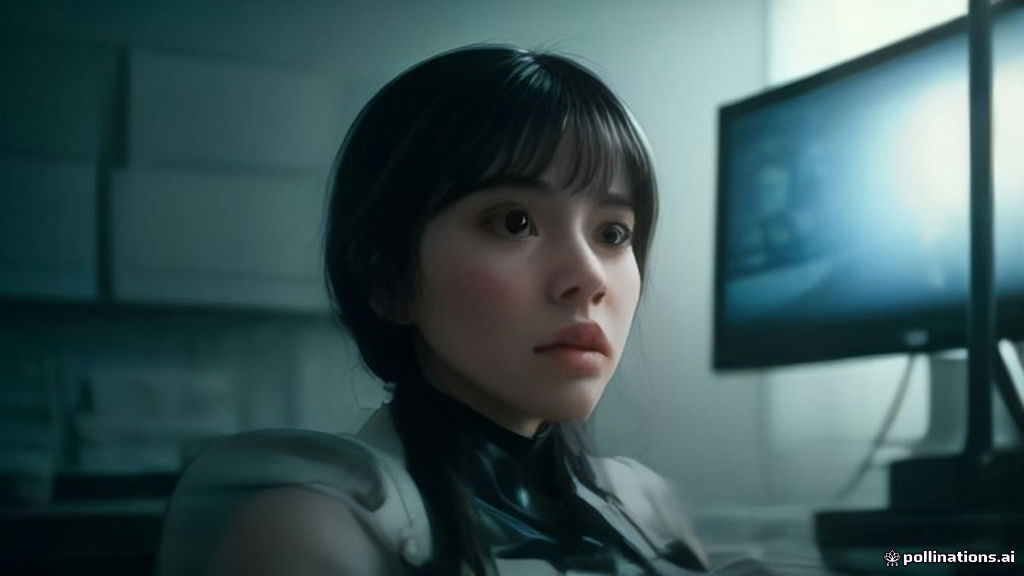
The landscape of digital entertainment is shifting faster than ever, and a new wave of mobile-first storytelling is trading traditional camera crews for generative artificial intelligence. Los Angeles-based startup Shortical has pushed this evolution into the mainstream by partnering with veteran actor Aki Avni to launch Inevitable, a fully AI-generated microdrama series. Founded in January, Shortical specializes in bite-sized, vertical episodes that clock in at around two minutes and rely on sharp cliffhangers to keep viewers hooked.
While the platform previously produced soapy romances using standard live-action shoots, its catalog is rapidly pivoting toward automated media. The production math behind this change is hard to ignore: generative video tools slash overhead costs and wipe out physical production hurdles, allowing startups to maximize profit margins for mobile audiences. For Avni, who plays a meta version of himself—an actor licensing his likeness to a fictional studio—stepping into the world of synthetic video marks a bold, pioneering move for Western entertainment markets.
📌 Key Takeaways
- Microdrama startup Shortical released Inevitable, a fully AI-generated series starring a digital avatar of actor Aki Avni.
- Shortical has opened an initiative letting everyday creators apply for facial-likeness licensing contracts.
- Facial licensing models have sparked widespread industry anxiety over job displacement, consent, and gig-economy ethics.
- Venture capital enthusiasm for automation is driving rapid adoption across the mobile-first entertainment sector.
The Economics of Mobile Microdramas
Shortical’s business model relies entirely on addictive, subscription-backed microdramas. Typically, viewers consume the first seven to ten episodes for free before hitting a hard paywall that requires a monthly subscription to finish the story arc. While the platform previously deployed human actors for these mobile productions, strict budgetary limits kept the company locked into contemporary romance frameworks. By turning to generative AI, the studio claims it can now produce epic fantasies involving kingdoms, dragons, superheroes, and werewolves at a fraction of traditional costs.
Aki Avni described his foray into face-licensing as both nerve-wracking and exhilarating, positioning himself as an early explorer of a brand-new artistic format. However, the financial terms surrounding these deals remain murky. While Shortical representatives confirmed that Avni joined as a formal partner with compensation matching industry standards, agreements for everyday performers often look drastically different. This mirrors an established trend in China—the birthplace of the microdrama boom—where firms frequently acquire facial rights for modest one-time buyouts ranging from $15 to $700.
Under the Hood: Technical Architecture and Generative Video Pipelines
The operational engine powering Shortical relies on a complex stack of generative adversarial networks (GANs), diffusion models, and automated text-to-video pipelines. Unlike traditional filmmaking, which requires physical cameras, lighting rigs, sound stages, and post-production editing suites, synthetic video production processes raw facial capture data through localized neural rendering engines. Once an actor’s face is licensed and mapped into a high-dimensional vector space, downstream generation models can manipulate expressions, lighting angles, and emotional overlays across entirely digital scenes without human intervention.
Scaling this infrastructure demands immense computational power and automated workflow orchestration. Startups in this vertical typically run cloud-based GPU clusters loaded with customized checkpoint models fine-tuned specifically for vertical mobile aspect ratios (9:16). These models integrate lip-sync algorithms, synthetic voice cloning, and automated script-to-scene generators to churn out dozens of finished episodes every single week. To handle the complex financial logistics of distributing micro-payments across a dispersed global network of digital contributors, platforms integrate specialized fintech APIs to manage automated tax compliance, cross-border currency disbursements, and micro-transaction splits.
Market Competitor Dynamics and the Impact on Working Actors
The commercial success of synthetic avatars in mobile entertainment threatens to upend traditional industry benchmarks. While major Hollywood studios have spent years negotiating strict guardrails with labor unions like SAG-AFTRA regarding digital replicas, agile tech startups operate in regulatory gray areas, entirely bypassing collective bargaining agreements. By eliminating physical production overhead, these platforms can flood the market with serialized content at speeds that traditional production companies simply cannot match.
However, this shift carries severe economic ramifications for working actors, background extras, lighting technicians, and writers. Industry analysts note that microdramas historically functioned as vital training grounds for early-career professionals. Replacing human talent with generative software severs these foundational career pipelines. Enterprise competitors are watching closely; if consumer platforms successfully normalize synthetic performers, major streaming services may soon experiment with hybrid models, utilizing digital duplicates of bankable movie stars to run concurrent localized versions of popular franchises without requiring the physical presence of the actors.
Evolution and Projected Industry Milestones
The rise of synthetic casting did not happen overnight; it represents the culmination of a multi-year technological progression across global media markets:
- 2021–2022: Early deepfake applications and rudimentary face-swapping software gain viral traction, exposing vulnerabilities in digital likeness protection and sparking early legal challenges.
- 2023–2024: The vertical microdrama format explodes in popularity across Asian markets, particularly in China, where specialized production houses experiment with low-cost digital avatars and one-time facial buyout contracts.
- 2025: Western startups begin adopting Eastern distribution mechanics, experimenting with subscription paywalls and rapid-release cycles tailored for mobile audiences in the United States and Europe.
- Late 2026: Shortical launches Inevitable starring Aki Avni, representing the first high-profile Western case study of a direct actor partnership for an entirely AI-generated microdrama series.
- 2027–2030 (Projected): Industry experts anticipate increased regulatory scrutiny, potential legislative updates regarding digital rights, and possible unionization pushes among gig-economy digital avatar providers.
Shortical’s ongoing initiatives serve as a massive testing ground for whether mainstream Western audiences will accept synthetic stars. The long-term viability of the model will ultimately hinge on viewer fatigue, copyright litigation outcomes, and the legal protections afforded to performers who monetize their biological likenesses.
Frequently Asked Questions
What is a microdrama?
Microdramas are bite-sized, vertical video episodes—usually lasting around two minutes each—featuring fast-paced, melodramatic storylines optimized for mobile phone viewing.
How does Shortical use AI in its productions?
Shortical utilizes generative video technology to produce complete narratives, including fantasy and romance plots, using digital avatars licensed from real actors instead of filming live-action scenes.
What legal risks do actors face when signing facial-licensing contracts?
Actors risk signing away broad intellectual property rights over their own biometric data. Poorly drafted contracts can grant studios perpetual, exclusive rights to generate unlimited synthetic performances without future royalties or creative control over the contextual nature of the content.
How do viewers distinguish between live-action performances and AI-generated microdramas?
While generative video quality has advanced rapidly, viewers can often identify synthetic content through subtle rendering artifacts, including slight inconsistencies in lighting continuity, occasional uncanny valley facial expressions, and hyper-stylized background textures.
Sources and further reading
Read the original investigative report on TechCrunch.
