
The Canceled Tesla Cybertruck is the Fastest-Selling Used Truck
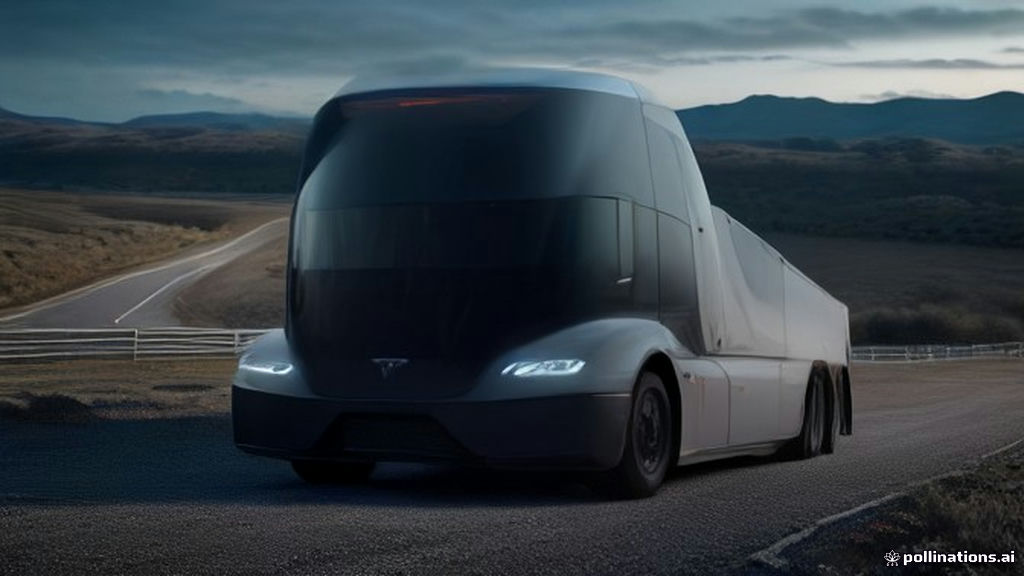
Tesla’s angular, stainless steel electric pickup truck never quite reached the towering sales targets initially predicted by CEO Elon Musk when it first rolled onto public roads. Yet, despite a polarizing reception and an impending end to its manufacturing run, the vehicle has carved out a surprisingly robust secondary life.
According to comprehensive market data released by automotive research platform iSeeCars.com, the Tesla Cybertruck has captured the title of the fastest-selling used truck in the United States, defying broader automotive industry trends. The study, which examined over 1.1 million sales of one- to five-year-old used vehicles, tracked average days on the market across various drivetrains, vehicle types, and specific models.
Researchers discovered that used Cybertrucks lingered on dealership lots and private listings for an average of just 39.1 days. This figure stands in stark contrast to the broader truck category, which averaged 65.5 days on the market. By outpacing established competitors like the Ford Maverick Hybrid and the Rivian R1T, the Cybertruck demonstrates that scarcity and shifting consumer economics can radically reshape secondary vehicle valuations.
📌 Key Takeaways
- The Tesla Cybertruck averaged just 39.1 days on the market, making it the fastest-selling used truck in America.
- Used Cybertrucks sold significantly faster than major competitors like the Ford Maverick Hybrid and Rivian R1T.
- High gasoline prices and the vehicle’s impending production cancellation have accelerated buyer demand and secondary market rarity.
Understanding the Secondary Market Velocity
The October data analysis from iSeeCars.com provides a clear statistical look at how battery electric vehicles are performing on the secondary market. While trucks overall take over two months to find a buyer, the Cybertruck’s rapid turnover highlights an acute pocket of high consumer demand. Behind the Cybertruck, the Ford Maverick Hybrid secured the second-position spot, followed closely by the Rivian R1T in third place.
Industry analysts noted that the vehicle’s performance aligns with a larger shift in the used vehicle ecosystem. Used battery electric vehicles are currently moving at an impressive pace, with 16 of the 25 fastest-selling used cars running entirely on electricity. On average, used EVs spend 45.6 days on the market, comfortably beating hybrids at 54.5 days and gasoline-powered vehicles at 61 days. However, the EV market remains polarized; while compact and distinct models thrive, luxury entries like the Cadillac Escalade IQ languished as the slowest-selling vehicle in the study, averaging a staggering 134.3 days on the lot.
Engineering Architecture and Manufacturing Realities
To fully grasp why the secondary market behaves uniquely toward the Cybertruck, observers must evaluate its underlying engineering and production mechanics. Built around an unpainted 30X cold-rolled stainless-steel exoskeleton, the vehicle departed from traditional automotive stamping techniques. This architectural choice required specialized laser-cutting machinery and high-tonnage giga-press castings, introducing severe supply chain constraints during initial assembly phases.
From an economic standpoint, the vehicle operates on a high-fixed-cost manufacturing curve. Unlike unibody trucks that share platforms with mass-market SUVs, the Cybertruck utilized a proprietary 48-volt low-voltage electrical architecture and steer-by-wire system. These advanced engineering milestones required specialized technician training and distinct diagnostic software. When Tesla ultimately decided to wind down the program, the engineering complexity meant no future direct replacement would replicate its eccentric architecture, cementing its status as a distinct hardware experiment with high collector appeal.
Consumer Behavior Shifts and Competitor Benchmarks
The secondary market velocity of the Cybertruck places it in direct contrast with traditional fleet operators and commercial legacy automakers. While commercial buyers typically prioritize standardized maintenance schedules, high payload utility, and predictable parts availability—metrics where traditional diesel and gasoline trucks dominate—the secondary Cybertruck buyer is predominantly retail-driven and novelty-seeking.
Compared to industry benchmarks like the Ford F-150 Lightning and Chevrolet Silverado EV, which recorded average secondary turnover times exceeding 55 days, the Cybertruck’s 39.1-day metric indicates a decoupled demand curve. Enterprise consumers and independent contractors generally avoided early-generation electric trucks due to range degradation under heavy towing loads. However, individual lifestyle buyers on the pre-owned market view the vehicle’s polarizing design and impending discontinuation as unique assets rather than operational liabilities.
The Impact of Impending Production Cancellation
Timing played a critical role in the vehicle’s secondary market velocity. The announcement of the vehicle’s discontinuation has injected a new psychological dynamic into the marketplace. According to market analysts, the realization that manufacturing will cease permanently has transformed the truck from a conventional used vehicle into a limited-production collector item.
Buyers realize that active supply will never grow again, which immediately compresses decision timelines. Furthermore, as early lease terms expire, an initial wave of vehicles is coming off lease and entering the secondary market at price points significantly lower than their original manufacturers’ suggested retail prices (MSRP). This price correction has opened the vehicle up to a new tier of buyers who desired the futuristic truck but balked at initial launch pricing.
Frequently Asked Questions
Why are used Tesla Cybertrucks selling so fast?
Used Cybertrucks are selling rapidly due to a combination of high gasoline prices driving consumers toward electric options, lower price points compared to the original MSRP, and the vehicle’s relative rarity on the secondary market.
How long do used Cybertrucks stay on the market?
According to iSeeCars.com data, used Cybertrucks spend an average of just 39.1 days on the market, which is significantly faster than the overall industry average for trucks at 65.5 days.
How does the production cancellation affect used Cybertruck prices?
The announcement that Tesla will end Cybertruck production has heightened consumer awareness and urgency. Knowing that supply will no longer grow is expected to sustain demand and potentially trigger additional sales spikes as production approaches its final months.
Are replacement parts available for discontinued electric vehicles?
Automotive manufacturers are legally obligated to supply core replacement components for a mandated period following the discontinuation of a vehicle model. However, specialized exterior panels like the Cybertruck’s stainless steel exoskeleton may involve longer lead times and higher insurance adjustment costs.
Sources and further reading
Read the original market analysis and reporting on TechCrunch and automotive research insights from iSeeCars.com.
